


As winter gives way to spring, Americans will need to adjust their clocks — and their sleep schedules — this weekend when daylight saving time begins.
At 2 a.m. Sunday, March 8, clocks will "spring forward" by one hour, meaning sunrise and sunset will occur one hour later than they do now. While the time change brings an extra hour of evening sunlight, it also means losing an hour of sleep Saturday night.
The shift to daylight saving time marks the unofficial transition to warmer weather and longer days. The extended evening daylight will remain in effect until Sunday, November 1, when clocks will "fall back" one hour as daylight saving time ends for the year.
Not everyone in the United States observes the biannual time change. Hawaii and Arizona are the only two states that do not participate in daylight saving time. The U.S. territories of Puerto Rico, Guam, American Samoa, and the U.S. Virgin Islands also keep standard time year-round.
 Greenfield Police Department attempt to locate juvenile runaway
 Sting operation nets handful of arrests involving online child sex offenders
 Indiana law enforcement to increase impaired driving enforcement ahead of Labor Day
 SHS announces newest members of Alumni Hall of Fame
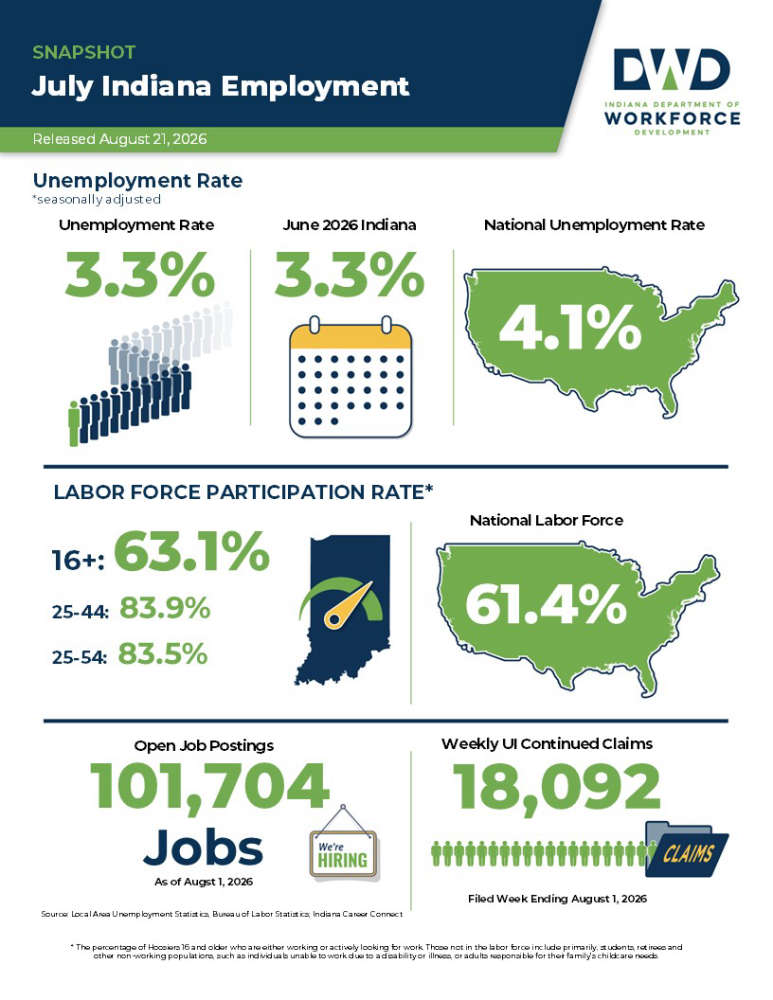 Indiana July unemployment rate below national average
 Milestone season on tap for Shelbyville football
 Indiana State Fair "Taste of the Fair" presented by Pepsi announces 2026 winners